
25 Years After 9/11, Study Finds Neighborhood Environment May Influence Frailty, PTSD, and Depression Risk Among World Trade Center Responders
Nature Communications study suggests heat, air pollution, and limited green space may contribute to long-term physical and mental health challenges
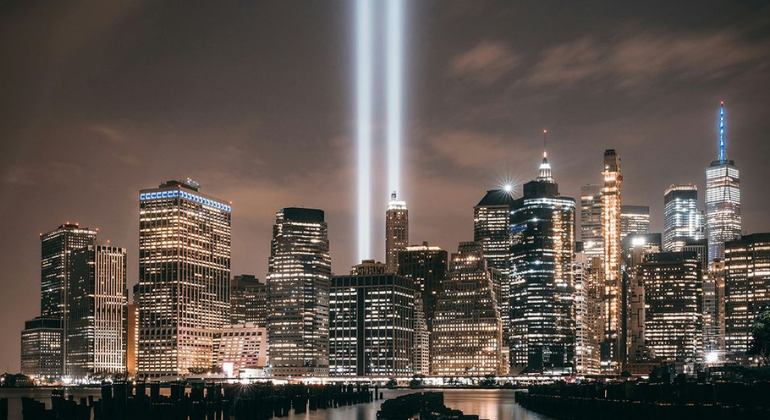
Twenty-five years after the September 11 terrorist attacks, researchers at the Icahn School of Medicine at Mount Sinai have found that environmental conditions where World Trade Center responders live may influence their long-term physical and mental health.
Published in Nature Communications, the study found an association between responders exposed to higher temperatures and greater levels of air pollution and an increased risks of frailty, post-traumatic stress disorder (PTSD), and depression as they aged. In contrast, living in greener environments was associated with lower risks of all three conditions.
The study, "Urban Exposures, Frailty, and Mental Illness in World Trade Center Health Program Responders," is the first to examine how later-life environmental exposures may interact with World Trade Center-related chemical and psychological exposures to affect aging and mental health outcomes.
"Twenty-five years after 9/11, we are still learning about the factors that influence the health of those who responded to the attacks," says Helena Furman Krasnov, PhD, postdoctoral researcher at the Icahn School of Medicine and first author of the study. "Our findings suggest that everyday exposures, including heat, air pollution, and access to green space, may contribute to responders' long-term physical and psychological well-being. Understanding these factors could help identify new opportunities to support healthy aging in this population."
World Trade Center responders experienced a unique combination of toxic exposures and extreme psychological stress following the attacks. While previous research has linked those exposures to a range of long-term health conditions, less was known about how neighborhood environments might shape health decades later.
For the study, researchers analyzed data from 18,734 responders who both live in New York City and are enrolled in one of the World Trade Center Health Clinical Centers of Excellence. They evaluated annual exposure to air pollution, high temperatures, and neighborhood greenness and examined associations with frailty, PTSD, and depression.
The researchers found that responders living in hotter and more polluted environments faced greater risks of frailty and mental health conditions. They also found that responders with higher levels of World Trade Center-related chemical and psychological exposure appeared more vulnerable to these environmental stressors. By contrast, greener surroundings were associated with lower risks of frailty, PTSD, and depression.
"Our findings suggest that the health consequences of 9/11 may not end with the disaster itself," says Maayan Yitshak-Sade, MPH, PhD, Associate Professor of Environmental Medicine at the Icahn School of Medicine, senior and corresponding author of the study, and a member of Mount Sinai’s Institute for Exposomic Research. "For responders already carrying the biological effects of trauma and toxic exposures, everyday environmental conditions may represent an additional source of stress on the body and mind. These findings highlight the importance of considering where people live, not just what they experienced during the disaster."
The researchers say the findings may have implications beyond the World Trade Center responder community. People affected by disasters such as wildfires, industrial accidents, and building collapses may face similar combinations of physical and psychological exposures that continue to influence health long after the initial event.
The team plans to further investigate whether beneficial environmental factors, including green space and access to healthy foods, can help reduce the long-term health effects associated with World Trade Center-related exposures.
About the Mount Sinai Health System
Mount Sinai Health System is one of the nation’s leading integrated academic health systems and one of the largest in the New York metropolitan area. Its comprehensive system includes seven hospitals, more than 400 outpatient practices, over 600 research and clinical laboratories, the Icahn School of Medicine at Mount Sinai, the Graduate School of Biomedical Sciences, and the Mount Sinai Phillips School of Nursing. Together, the Health System comprises approximately 48,000 employees, more than 9,000 physicians, and 8,600 nurses.
As a leading learning health system, Mount Sinai combines clinical expertise with scientific discovery to improve patient care while training the next generation of health care and biomedical leaders. The Health System provides care across every stage of life, from prenatal care through geriatrics, while advancing personalized medicine through artificial intelligence, data science, and biomedical research.
Mount Sinai is consistently recognized among the nation’s leading academic health systems for patient care, research, and education. The Mount Sinai Hospital is ranked No. 1 in New York by Newsweek® and No. 7 in the U.S. on the magazine’s World’s Best Hospitals 2026 list. The Icahn School of Medicine at Mount Sinai ranks No. 9 among U.S. medical schools and No. 1 among freestanding medical schools for National Institutes of Health grant funding, reflecting the strength of its scientific enterprise and leadership in biomedical research.