
Mount Sinai Researcher Appointed to National Academies Committee Examining Neurocognitive Effects of SARS-CoV-2 Across the Lifespan
Neuropsychologist Jacqueline Becker, PhD, joins committee examining cognitive effects of COVID-19 virus and implications for military
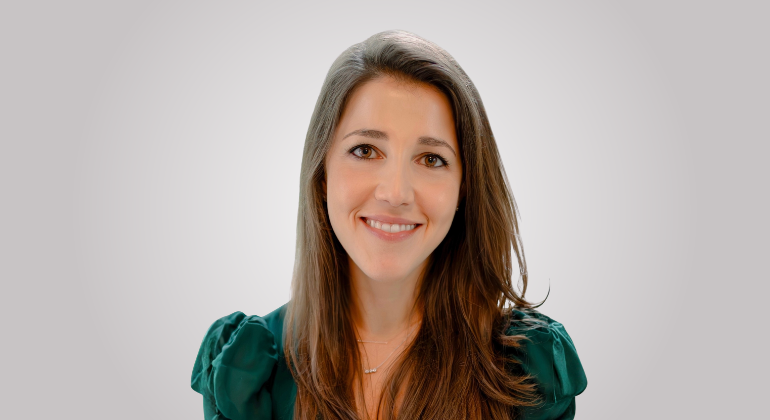
Jacqueline Becker, PhD, a clinical neuropsychologist and Assistant Professor of Medicine at the Icahn School of Medicine at Mount Sinai, has been appointed to an ad hoc committee of the National Academies of Sciences, Engineering, and Medicine examining the direct effects of infection by SARS-CoV-2 (the virus that causes COVID-19) on neurocognitive function across the lifespan.
The committee will examine evidence involving children, adolescents, working-age adults, and older adults and consider implications for military force readiness, military and veteran health, and health system planning.
The committee will examine eight questions:
1. What is the current state of scientific evidence regarding the direct effects of SARS-CoV-2 infection on neurocognitive function across the lifespan, including children, adolescents, working-age adults, and older adults?
2. Which cognitive domains are most consistently affected following SARS-CoV-2 infection, based on validated neuropsychological, educational, occupational, and functional metrics?
3. What evidence exists from laboratory, clinical, neuroimaging, neuropathological, and mechanistic studies regarding the biological pathways by which SARS-CoV-2 may affect neuronal function, neuroinflammation, cerebrovascular integrity, synaptic processes, or neurodevelopment?
4. How do neurocognitive outcomes differ based on the severity of initial infection, reinfection, and the presence or absence of post-acute sequelae?
5. What is known about the impact of SARS-CoV-2 infection on children and adolescents, including effects on:
- Learning, academic performance, and school-based cognitive metrics
- Attention, executive function, memory, and developmental milestones
- Attendance, special education needs, and standardized testing outcomes, where studied
- Potential impact of these effects on military recruitment, service, and performance
6. What evidence exists regarding neurocognitive impacts in adults, including effects on:
- Occupational performance and functional capacity
- Complex cognitive tasks relevant to military and civilian work settings
- Aging trajectories and interactions with underlying medical conditions
7. What is the strength of evidence for the protective effects of COVID-19 vaccination against:
- Neurocognitive impairment following infection
- Long COVID-associated cognitive symptoms
- Repeated infections and cumulative cognitive risk
8. What gaps remain in the evidence base, and what research approaches would most effectively address unanswered questions of relevance to military and veteran populations?
The committee will also consider implications for:
- Force readiness, training, performance, and retention
- Long-term health trajectories of service members
- Aging and medically complex veteran populations
- Occupational and cognitive demands specific to military service
- Health system planning within military and veteran contexts
The committee will develop a report containing findings and conclusions on the questions above. It will not make recommendations.
Dr. Becker’s research focuses on the impact of infectious diseases on neurocognition. She has gained an international reputation for her work on the cognitive effects of long COVID and other infection-associated chronic conditions.
She is a multiple Principal Investigator on a National Institutes of Health (NIH) study examining plasma tau biomarkers of post-COVID-19 cognitive impairment and Principal Investigator of an NIH/National Institute of Mental Health clinical trial treating cognitive impairment and depression in long COVID.
She is Neurocognitive Lead for the NIH RECOVER 2.0 and RECOVER-TLC trials and was multiple Principal Investigator of NIH’s RECOVER-Neuro trial. She is also co-investigator of related grants, including an Agency for Healthcare Research and Quality grant establishing an integrated long COVID and primary care clinic and an NIH/National Institute of Neurological Disorders and Stroke (NINDS) study investigating mechanisms of neurological sequelae of COVID-19. She chairs the NIH/NINDS Cognitive Assessments Common Data Elements ME/CFS (myalgic encephalomyelitis/chronic fatigue syndrome) Committee and the International Neuropsychological Society’s NeuroCOVID Committee and serves as an expert panelist on the Centers for Disease Control and Prevention/Council of Medical Specialty Societies Long COVID Education and Care Management panel.
Dr. Becker completed her doctoral training at Fordham, residency at Harvard Medical School/Massachusetts General Hospital, and neuropsychology fellowship at Northwell Health. She previously served on the National Academies’ Committee on the Long-Term Health Effects Stemming from COVID-19 and Implications for the Social Security Administration.
About the Mount Sinai Health System
Mount Sinai Health System is one of the nation’s leading integrated academic health systems and one of the largest in the New York metropolitan area. Its comprehensive system includes seven hospitals, more than 400 outpatient practices, over 600 research and clinical laboratories, the Icahn School of Medicine at Mount Sinai, the Graduate School of Biomedical Sciences, and the Mount Sinai Phillips School of Nursing. Together, the Health System comprises approximately 48,000 employees, more than 9,000 physicians, and 8,600 nurses.
As a leading learning health system, Mount Sinai combines clinical expertise with scientific discovery to improve patient care while training the next generation of health care and biomedical leaders. The Health System provides care across every stage of life, from prenatal care through geriatrics, while advancing personalized medicine through artificial intelligence, data science, and biomedical research.
Mount Sinai is consistently recognized among the nation’s leading academic health systems for patient care, research, and education. The Mount Sinai Hospital is ranked No. 1 in New York by Newsweek® and No. 7 in the U.S. on the magazine’s World’s Best Hospitals 2026 list. The Icahn School of Medicine at Mount Sinai ranks No. 9 among U.S. medical schools and No. 1 among freestanding medical schools for National Institutes of Health grant funding, reflecting the strength of its scientific enterprise and leadership in biomedical research.