
Mount Sinai Awarded $4.5M BD2 Grant to Advance Research on the Biology of Bipolar Disorder
The Icahn School of Medicine at Mount Sinai is pleased to announce it has received a three-year, $4.5 million grant from BD2: Breakthrough Discoveries for thriving with Bipolar Disorder to investigate the neural mechanisms underlying bipolar disorder and pioneer novel neuromodulation-based treatment strategies.
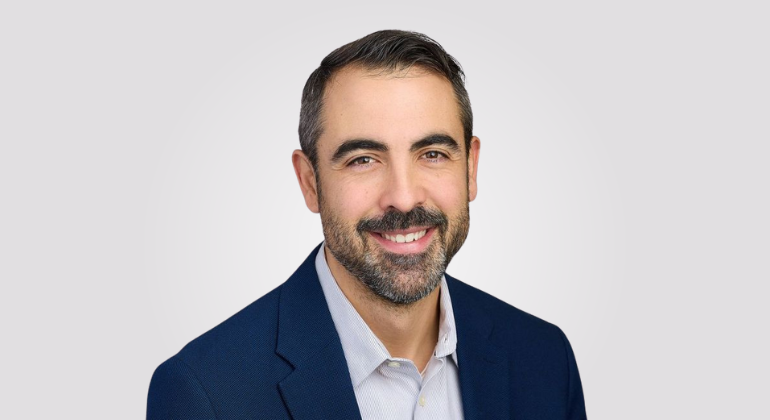
The team will be led by Ignacio Saez, PhD, Associate Professor of Neuroscience, Neurosurgery, Neurology at the Icahn School of Medicine and Director of the Human Neurophysiology Laboratory at Mount Sinai. Dr. Saez and his team are part of a select cohort of BD2 Discovery Research Grantees using leading-edge neuromodulation approaches to map brain circuitry contributing to bipolar disorder.
“Unpredictable transitions between manic and depressive states are a major source of disability for people living with bipolar disorder, yet little is known about the brain mechanisms that drive these mood changes,” said Dr. Saez. “With BD2’s support, we’ll be able to record brain activity in unprecedented detail during these state changes—laying the groundwork for targeted neuromodulatory treatments that could transform mental health care.”
The Mount Sinai team will integrate neurosurgical and neurophysiological methods with clinical and behavioral assessments to uncover how mood states emerge and shift in bipolar disorder. Two complementary research arms will support this work:
- Deep Brain Stimulation (DBS): Under the direction of Helen Mayberg, MD, Director of the Center for Advanced Circuit Therapeutics, patients with bipolar depression will undergo bilateral DBS electrode implantation in brain regions central to mood regulation. For the year following implantation, mood-state transitions will be correlated with multimodal recordings, which include continuous neural signals, daily self-assessments, sleep monitoring, video diaries, and periodic MRI. This work is in collaboration with James Murrough, MD, PhD, Director of the Center for Depression and Anxiety; and Brian Kopell, MD, Director of the Center for Neuromodulation.
- Stereotactic Electroencephalography (sEEG): In collaboration with Mount Sinai’s surgical epilepsy program, Dr. Saez will lead a research arm that records data from patients undergoing sEEG, a minimally invasive procedure used to identify brain regions where hard-to-treat seizures originate. This cohort will include individuals with epilepsy and bipolar disorder; epilepsy and major depression; and epilepsy without mood disorders (controls). By collecting multi-area sEEG recordings, the team will complement the DBS cohort and broaden insights into brain circuits involved in executive function and mood regulation—potentially uncovering new neuromodulation targets. This work will be conducted in partnership with Angela Radulescu, PhD, Assistant Professor of Psychiatry; Saadi Ghatan, MD, Chair of Neurosurgery, Mount Sinai West; Fedor Panov, MD, Director, Adult Epilepsy Surgery Program; and Lara Marcuse, MD, and Madeline Fields, MD, Co-Directors, Center for Epilepsy.
By combining advanced surgical techniques with rigorous behavioral- and clinical-state tracking, Mount Sinai aims to generate the most detailed, circuit-level understanding of bipolar disorder to date. The knowledge gained could open the door to precise, personalized neuromodulation strategies for psychiatric illness.
“This program reflects Mount Sinai’s unique strength at the intersection of neurosurgery, neuroscience, and psychiatry,” Dr. Saez said. “We are committed to translating these discoveries into real treatments that can improve the lives of people with bipolar disorder.”
About the Mount Sinai Health System
Mount Sinai Health System is one of the nation’s leading integrated academic health systems and one of the largest in the New York metropolitan area. Its comprehensive system includes seven hospitals, more than 400 outpatient practices, over 600 research and clinical laboratories, the Icahn School of Medicine at Mount Sinai, the Graduate School of Biomedical Sciences, and the Mount Sinai Phillips School of Nursing. Together, the Health System comprises approximately 48,000 employees, more than 9,000 physicians, and 8,600 nurses.
As a leading learning health system, Mount Sinai combines clinical expertise with scientific discovery to improve patient care while training the next generation of health care and biomedical leaders. The Health System provides care across every stage of life, from prenatal care through geriatrics, while advancing personalized medicine through artificial intelligence, data science, and biomedical research.
Mount Sinai is consistently recognized among the nation’s leading academic health systems for patient care, research, and education. The Mount Sinai Hospital is ranked No. 1 in New York by Newsweek and No. 5 on the magazine’s World’s Best Hospitals list. The Icahn School of Medicine at Mount Sinai ranks No. 11 among U.S. medical schools and No. 1 among freestanding medical schools for National Institutes of Health funding, reflecting the strength of its scientific enterprise and leadership in biomedical research.