"Gene Therapy For The Bacteria Of Our Microbiome Could Improve Our Health"
If you listen closely to gut bacteria and host cells, you learn that they speak the same language. You might then pick up the language yourself, giving you the ability to join the microbiome–host conversation, which is known to have implications for human health. Louis Cohen, MD, assistant professor of medicine and gastroenterology at the Icahn School of Medicine at Mount Sinai and Sean Brady, PhD, director of the Rockefeller University’s Laboratory of Genetically Encoded Small Molecules found that gut bacteria and human cells may not speak in the same dialect, but they can understand each other. Building on this observation, the scientist developed a method to genetically engineer the bacteria to produce molecules that have the potential to treat certain disorders by altering human metabolism. Among the advantages of working with bacteria, continued Dr. Cohen, who spent five years in Dr. Brady's lab as part of Rockefeller's Clinical Scholars Program, is that their genes are easier to manipulate than human genes and much is already known about them. "All the genes for all the bacteria inside of us have been sequenced at some point," he pointed out.
- Louis Cohen, MD, Assistant Professor, Medicine, Gastroenterology, Icahn School of Medicine at Mount Sinai
Additional coverage:

Mount Sinai Researchers Identify Key Gut Sensor That Regulates Digestion and Immunity
Mar 24, 2025 View All Press Releases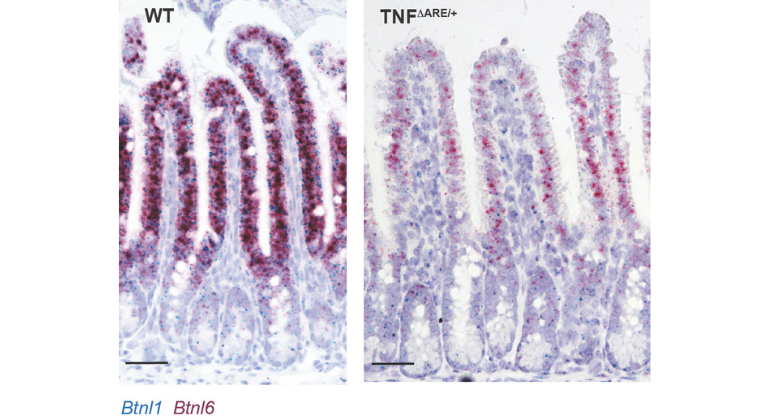


Mount Sinai Health System Expands Care in Staten Island
Nov 04, 2024 View All Press Releases