Researchers Develop “MAGIC Algorithm” to Predict Whether Bone Marrow Transplant Patients May Die From Common Complication
Researchers at Mount Sinai Health System have discovered a way to predict whether blood cancer patients who received a bone marrow transplant will develop graft-versus-host disease, a common and often lethal complication, according to a study published in JCI (The Journal of Clinical Investigation) Insight.
This international study at 11 cancer centers examined blood samples from almost 1,300 bone marrow transplant patients and found that two proteins present in blood drawn a week after a transplant can predict whether a patient will develop a lethal version of graft-versus-host disease, weeks before the disease's symptoms normally occur. Scientists at the Mount Sinai Acute GVHD International Consortium (MAGIC) created an algorithm, dubbed the “MAGIC algorithm,” that determines a patient’s risk of developing the disease by measuring concentrations of these proteins, ST2 and REG3a.
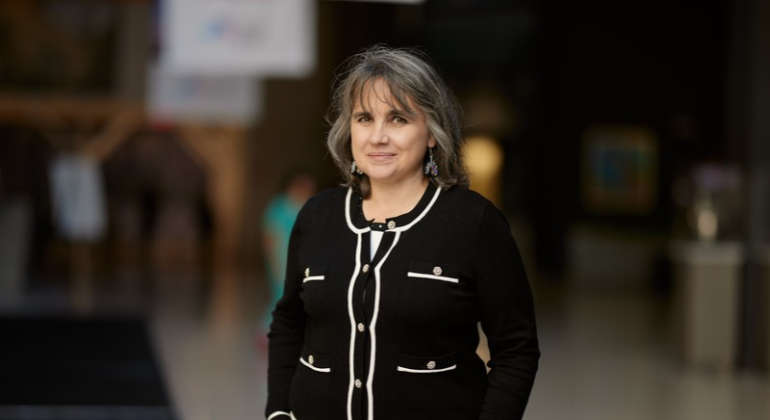
“The MAGIC algorithm gives doctors a roadmap to save many lives in the future. This simple blood test can determine which bone marrow transplant patients are at high risk for a lethal complication before it occurs,” says James L.M. Ferrara, MD, Professor of Pediatrics, Oncological Sciences and Medicine, Hematology and Medical Oncology at The Tisch Cancer Institute at the Icahn School of Medicine at Mount Sinai, and Co-director of MAGIC. “It will allow early intervention and potentially save many lives.”
Doctors at Mount Sinai are now designing clinical trials to determine whether immunotherapy drugs, normally used during the onset of graft-versus-host disease, would benefit patients as soon as this new blood test determined they would be at high risk for severe onset of the disease. Researchers believe that if patients receive the drugs once the test is administered, which is well before symptoms develop, they would be spared the full force of the disease, and fewer of them would die.
“This test will make bone marrow transplant safer and more effective for patients because it will guide adjustment of medications to protect against graft-versus-host disease,” says John Levine, MD, MS, Professor of Pediatrics and Medicine, Hematology and Medical Oncology at The Tisch Cancer Institute at the Icahn School of Medicine at Mount Sinai and Co-director of MAGIC. “If successful, the early use of the drugs would become a standard of care for bone marrow transplant patients.”
Graft-versus-host disease occurs when the bone marrow donor's immune system sees the recipient’s body as foreign and launches an immune response, attacking the recipient's tissue, primarily the skin, liver, and gastrointestinal tract. Between 40 and 60 percent of patients who receive bone marrow transplants later develop severe graft-versus-host disease, and about 40 percent of people who develop the disease die.
The study was supported by grants P01 CA03942 and P30 CA106521 from the National Cancer Institute, an American Cancer Society Clinical Research Professorship (to Dr. Ferrara) and a Doris Duke Charitable Foundation Clinical Research Mentorship.
About the Mount Sinai Health System
Mount Sinai Health System is one of the nation’s leading integrated academic health systems and one of the largest in the New York metropolitan area. Its comprehensive system includes seven hospitals, more than 400 outpatient practices, over 600 research and clinical laboratories, the Icahn School of Medicine at Mount Sinai, the Graduate School of Biomedical Sciences, and the Mount Sinai Phillips School of Nursing. Together, the Health System comprises approximately 48,000 employees, more than 9,000 physicians, and 8,600 nurses.
As a leading learning health system, Mount Sinai combines clinical expertise with scientific discovery to improve patient care while training the next generation of health care and biomedical leaders. The Health System provides care across every stage of life, from prenatal care through geriatrics, while advancing personalized medicine through artificial intelligence, data science, and biomedical research.
Mount Sinai is consistently recognized among the nation’s leading academic health systems for patient care, research, and education. The Mount Sinai Hospital is ranked No. 1 in New York by Newsweek® and No. 7 in the U.S. on the magazine’s World’s Best Hospitals 2026 list. The Icahn School of Medicine at Mount Sinai ranks No. 9 among U.S. medical schools and No. 1 among freestanding medical schools for National Institutes of Health grant funding, reflecting the strength of its scientific enterprise and leadership in biomedical research.

Mount Sinai Study Finds Safety Prompts Can Help AI Models Make Safer Clinical Choices
Oct 08, 2026 View All Press Releases