More Than 5 Million Cancer Survivors Experience Chronic Pain, Twice the Rate of the General Population
More than 5 million cancer survivors in the United States experience chronic pain, almost twice the rate in the general population, according to a study published by Mount Sinai researchers in JAMA Oncology in June.
Researchers used the National Health Interview Survey, a large national representative dataset from the U.S. Centers for Disease Control and Prevention, to estimate the prevalence of chronic pain among cancer survivors. They found that about 35 percent of cancer survivors have chronic pain, representing 5.39 million patients in the United States.
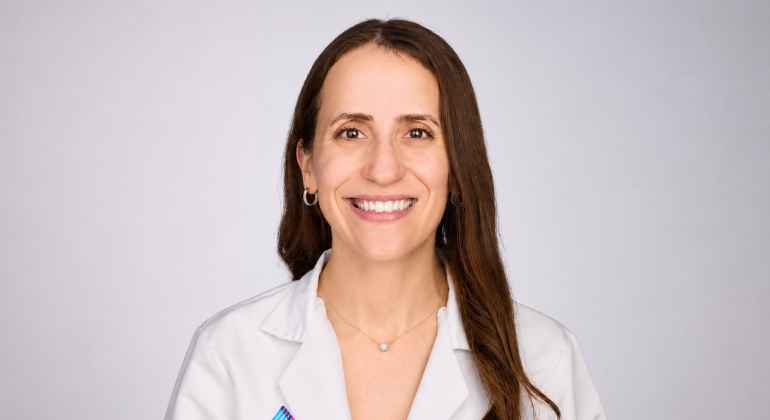
“This study provided the first comprehensive estimate of chronic pain prevalence among cancer survivors,” said corresponding author Changchuan Jiang, MD, MPH, a medical resident at Mount Sinai St. Luke's and Mount Sinai West. “These results highlight the important unmet needs of pain management in the large, and growing cancer survivorship community.”
Specific types of cancer—such as bone, kidney, throat, and uterine—also had a higher incidence of chronic and severe pain that restricted daily activity. Chronic pain was more prevalent in survivors who were unemployed and had inadequate insurance.
Chronic pain is one of the most common long-term effects of cancer treatment and has been linked with an impaired quality of life, lower adherence to treatment, and higher health care costs. This study is important because a better understanding of the epidemiology of pain in cancer survivors can help inform future health care educational priorities and policies.
Researchers from the American Cancer Society, Memorial Sloan Kettering Cancer Center, and the University of Virginia were part of the study team.
About the Mount Sinai Health System
Mount Sinai Health System is one of the nation’s leading integrated academic health systems and one of the largest in the New York metropolitan area. Its comprehensive system includes seven hospitals, more than 400 outpatient practices, over 600 research and clinical laboratories, the Icahn School of Medicine at Mount Sinai, the Graduate School of Biomedical Sciences, and the Mount Sinai Phillips School of Nursing. Together, the Health System comprises approximately 48,000 employees, more than 9,000 physicians, and 8,600 nurses.
As a leading learning health system, Mount Sinai combines clinical expertise with scientific discovery to improve patient care while training the next generation of health care and biomedical leaders. The Health System provides care across every stage of life, from prenatal care through geriatrics, while advancing personalized medicine through artificial intelligence, data science, and biomedical research.
Mount Sinai is consistently recognized among the nation’s leading academic health systems for patient care, research, and education. The Mount Sinai Hospital is ranked No. 1 in New York by Newsweek and No. 5 on the magazine’s World’s Best Hospitals list. The Icahn School of Medicine at Mount Sinai ranks No. 11 among U.S. medical schools and No. 1 among freestanding medical schools for National Institutes of Health funding, reflecting the strength of its scientific enterprise and leadership in biomedical research.




Loss of Radiation Therapy Clinics Could Widen Cancer Care Gaps Across the United States
Jul 10, 2026 View All Press Releases