Top Reproductive Epidemiologist, Joins the Mount Sinai Children’s Environmental Health Center
Shanna H. Swan, PhD brings over 30 years of research experience on phthalates and other endocrine disrupting chemicals to Mount Sinai
Shanna H. Swan, PhD has joined the Mount Sinai School of Medicine as the Vice Chair for Research in the Department of Preventive Medicine in April 2011. Dr. Swan has also joined the staff of the Children’s Environmental Health Center (CEHC), bringing over 30 years of research experience focusing on endocrine disruptors and reproductive epidemiology.
Before joining Mount Sinai, Dr. Swan served as Professor in the Department of Obstetrics and Gynecology, Professor in Environmental Medicine, and Director of the Center for Reproductive Epidemiology at the University of Rochester School of Medicine and Dentistry. Since 1998, Dr. Swan has served as Principal Investigator of the Study for Future Families, a multi-center pregnancy cohort study that examines the environmental causes of geographic variation in reproductive health endpoints in men, women, and children.
Dr. Swan's research focuses on the impact of environmental exposures on male and female reproductive health. She has published over 150 papers on this topic, most notably a study that shows that baby boys are more likely to experience changes in their genitals - such as undescended testicles and smaller penises - if their mothers were exposed to high levels of phthalates during pregnancy. Her research has also shown that phthalate exposure has effects of the masculine brain, altering the play behavior of young boys.
Most recently, Dr. Swan has published a study in Environmental Health Perspectives that reveals that male infertility may stem from in utero chemical exposures. In this study, Dr. Swan and her team found anogenital distance (AGD) to be a strong predictor of sperm count, motility, and shape.
Previously, scientists had linked shortened AGD in rodents with reduced sperm count, birth defects affecting the genitals, and smaller male organs. However, these results had never been confirmed in humans. In this new study, published on March 4, the team found that one in four of the 126 men tested appeared subfertile and possibly infertile. Those with an AGD below the median distance for their build were 7.3 times more likely to be in the subfertile group, as were those with an AGD above the medium.
"Up until now, nobody has really understood what might be the impacts of shortened AGD on quality of life," Philip J. Landrigan, MD, MSc, director of the Children’s Environmental Health Center, told Science News. "So this observation that a short AGD is correlated with low sperm count is new stuff and, I think, very important."
Both the abstract and the article are available online at Environmental Health Perspectives. Science News also provides a recap of this study, which has been picked up by major news outlets like U.S. News and World Report and WebMD.
About the Children’s Environmental Health Center
The Children’s Environmental Health Center at The Mount Sinai Medical Center in New York City conducts research to protect children against environmental threats to health. Our investigations seek to discover the environmental causes of such diseases as asthma, learning disabilities, autism, obesity, and childhood cancer. We transmit our research to pediatricians, policy makers, parents, and all who care for children.
About the Mount Sinai Health System
Mount Sinai Health System is one of the nation’s leading integrated academic health systems and one of the largest in the New York metropolitan area. Its comprehensive system includes seven hospitals, more than 400 outpatient practices, over 600 research and clinical laboratories, the Icahn School of Medicine at Mount Sinai, the Graduate School of Biomedical Sciences, and the Mount Sinai Phillips School of Nursing. Together, the Health System comprises approximately 48,000 employees, more than 9,000 physicians, and 8,600 nurses.
As a leading learning health system, Mount Sinai combines clinical expertise with scientific discovery to improve patient care while training the next generation of health care and biomedical leaders. The Health System provides care across every stage of life, from prenatal care through geriatrics, while advancing personalized medicine through artificial intelligence, data science, and biomedical research.
Mount Sinai is consistently recognized among the nation’s leading academic health systems for patient care, research, and education. The Mount Sinai Hospital is ranked No. 1 in New York by Newsweek and No. 5 on the magazine’s World’s Best Hospitals list. The Icahn School of Medicine at Mount Sinai ranks No. 11 among U.S. medical schools and No. 1 among freestanding medical schools for National Institutes of Health funding, reflecting the strength of its scientific enterprise and leadership in biomedical research.



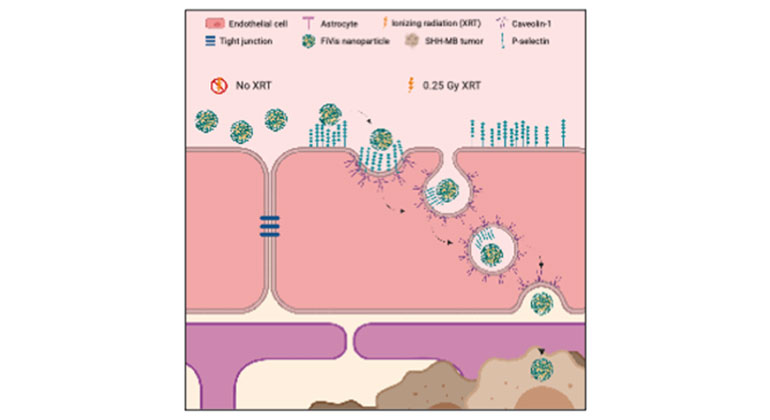
Scientists Develop Novel Approach to Enhance Drug Delivery for Brain Tumors in Children
Mar 02, 2023 View All Press Releases

Newly Designed Children’s Emergency Department Opens at The Mount Sinai Hospital
Apr 11, 2022 View All Press ReleasesMount Sinai Researchers Discover Treatment Option for Rare Genetic Disorder
Aug 04, 2020 View All Press Releases