Researchers Find Minimally Invasive Procedure to Treat Chronic Achilles Tendon Disorder Improves Patient Outcomes and Reduces Recovery Time
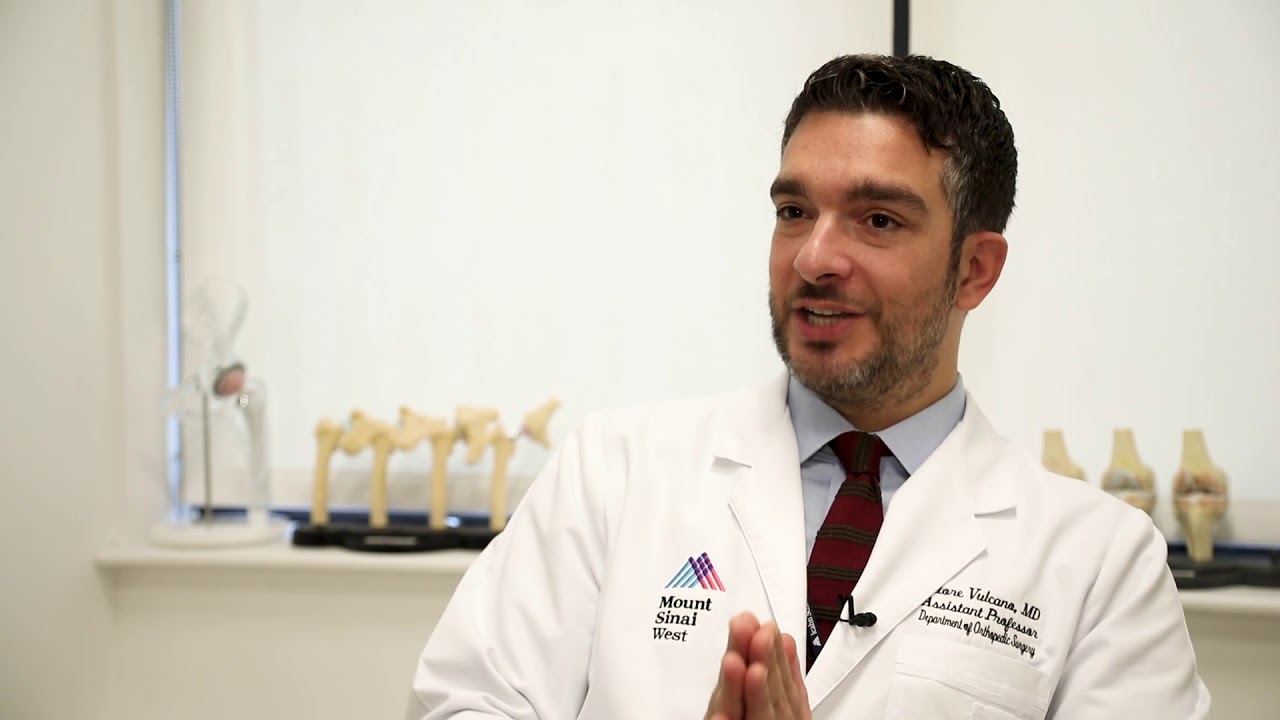
A minimally invasive procedure to treat a common foot and ankle disorder can reduce pain, recovery time, and postsurgery complications while improving functional outcomes, according to a report published in the journal Foot and Ankle Surgery.
The procedure treats insertional Achilles tendinopathy, a common and chronic orthopedic disorder in which patients experience pain at the Achilles tendon. The chronic degenerative condition can be particularly painful for athletes who perform push-off activities, such as basketball and soccer players.
The key-hole procedure, known as percutaneous Zadek osteotomy (ZO), can significantly decrease pain and provide a patient with relief in as little as six weeks after this technique compared to 23 weeks for recovery after the traditional open surgery.
“The traditional surgery requires larger incisions and inevitably carries a higher rate of infection, while this minimally invasive procedure has a low infection rate and less risk of tissue damage, helping to better preserve the tendon—and achieve a faster recovery and rehabilitation for the patient,” said Ettore Vulcano, MD, Assistant Professor of Orthopedics at the Icahn School of Medicine at Mount Sinai, an orthopedic surgeon at Mount Sinai West, and co-author of the report, which was published online on November 20. “As a result of cutting-edge technology and the latest techniques at Mount Sinai, patients experience much less pain and improved function at a quicker rate. Even athletes can resume previous levels of sports activity at a much quicker rate compared to the traditional surgery.”
Dr. Vulcano—one of a few doctors in the nation to revolutionize the minimally invasive approach—said the procedure includes making two very small incisions in the heel and removing a 5mm wedge of bone, which alters the orientation of the tendon fibers and is believed to decrease stress across the tendon.
The short recovery period includes protecting the foot in a splint or walker boot for two weeks, then resuming weight bearing while wearing a removable walker boot for an additional four weeks. Physical therapy can also begin two weeks after surgery. Patients are allowed to return to shoes six weeks after the outpatient procedure.
About the Mount Sinai Health System
Mount Sinai Health System is one of the nation’s leading integrated academic health systems and one of the largest in the New York metropolitan area. Its comprehensive system includes seven hospitals, more than 400 outpatient practices, over 600 research and clinical laboratories, the Icahn School of Medicine at Mount Sinai, the Graduate School of Biomedical Sciences, and the Mount Sinai Phillips School of Nursing. Together, the Health System comprises approximately 48,000 employees, more than 9,000 physicians, and 8,600 nurses.
As a leading learning health system, Mount Sinai combines clinical expertise with scientific discovery to improve patient care while training the next generation of health care and biomedical leaders. The Health System provides care across every stage of life, from prenatal care through geriatrics, while advancing personalized medicine through artificial intelligence, data science, and biomedical research.
Mount Sinai is consistently recognized among the nation’s leading academic health systems for patient care, research, and education. The Mount Sinai Hospital is ranked No. 1 in New York by Newsweek and No. 5 on the magazine’s World’s Best Hospitals list. The Icahn School of Medicine at Mount Sinai ranks No. 11 among U.S. medical schools and No. 1 among freestanding medical schools for National Institutes of Health funding, reflecting the strength of its scientific enterprise and leadership in biomedical research.
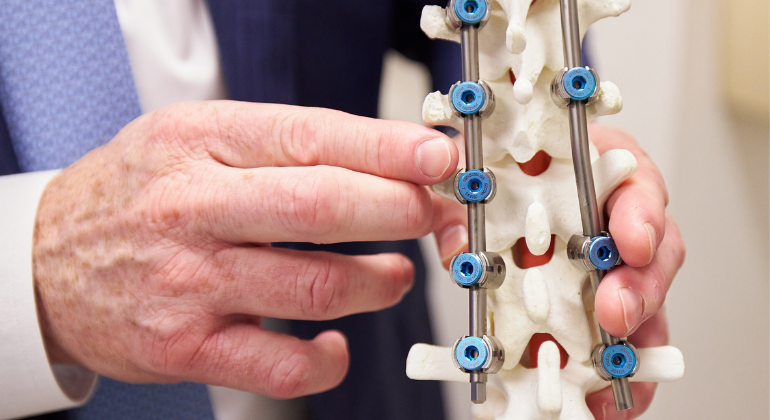

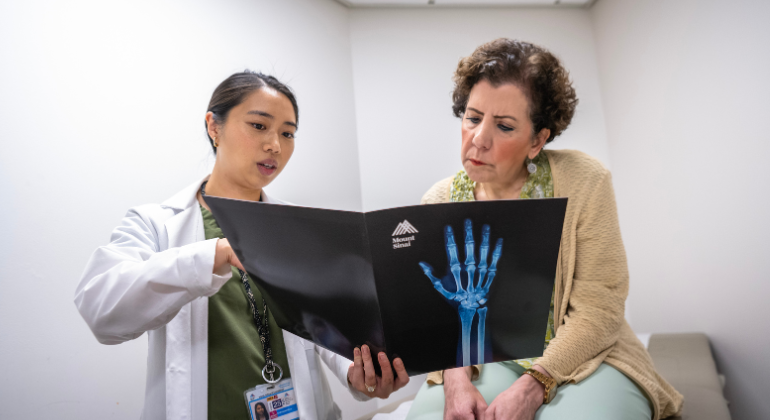
Mount Sinai Implements Own the Bone® Program for Fragility Fracture Patients
Jul 08, 2025 View All Press Releases

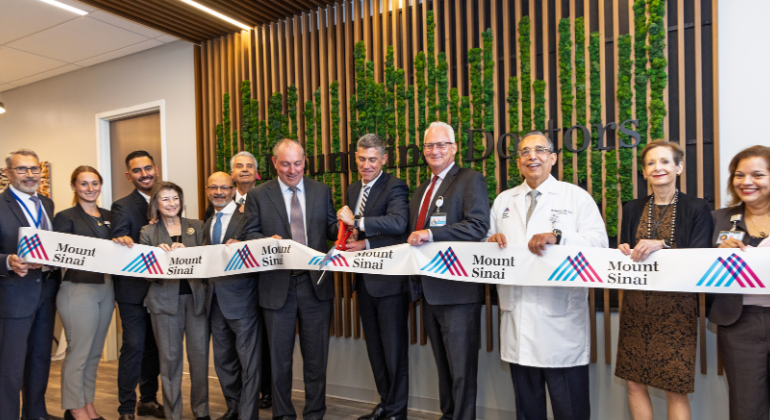
Mount Sinai Health System Expands Care in Staten Island
Nov 04, 2024 View All Press Releases

Mount Sinai Health System and USTA Expand Exclusive Partnership Through 2026
Aug 15, 2023 View All Press Releases
Mount Sinai Celebrates 10 Years as the Official Hospital of the US Open
Aug 29, 2022 View All Press Releases