"Early Endoscopic Remission Linked to Altered Course of Crohn's Disease" - Megan Brooks
Patients with early Crohn's disease who achieve endoscopic or deep remission after one year of intensive treatment are less likely to experience disease progression over the next several years, according to researchers at the Icahn School of Medicine at Mount Sinai. Long-term data from the CALM trial show that "Getting people with Crohn's disease into remission early on in their disease course, within the first year on average, alters the long-term outcome," said lead author Ryan Ungaro, MD, assistant professor of medicine and gastroenterology at the Icahn School of Medicine at Mount Sinai. Dr. Ungaro added, "In the tight-control arm, treatment was escalated very rapidly based on not just symptoms but also if C-reactive protein and fecal calprotectin were elevated."
— Ryan C. Ungaro, MD, Assistant Professor, Medicine, Gastroenterology, Icahn School of Medicine at Mount Sinai

Mount Sinai Researchers Identify Key Gut Sensor That Regulates Digestion and Immunity
Mar 24, 2025 View All Press Releases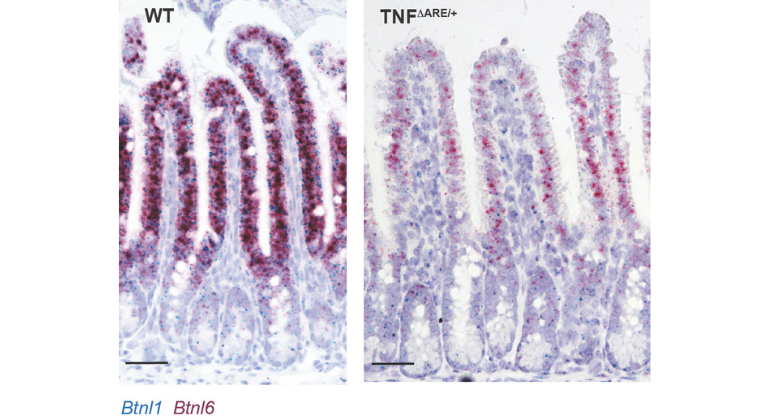

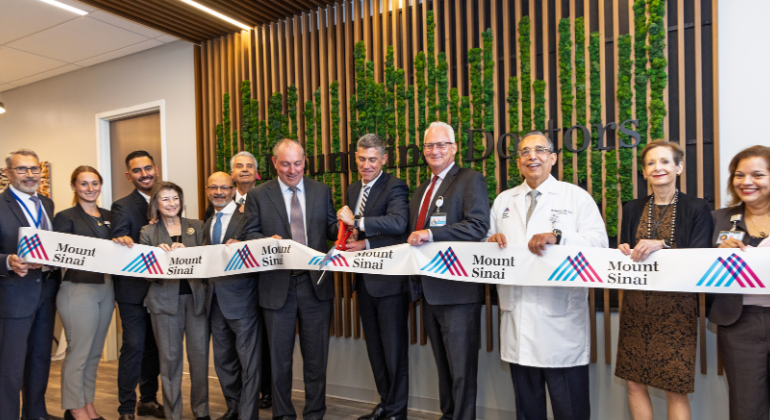
Mount Sinai Health System Expands Care in Staten Island
Nov 04, 2024 View All Press Releases