
Mount Sinai Researchers Report Troubling Increase in Homebound Older Adults, Especially Blacks and Hispanics, During Pandemic
JAMA Internal Medicine study suggests worrisome lack of digital connectedness that could compound health disparities even further
In a paper published today in JAMA Internal Medicine, Mount Sinai researchers describe a troubling increase in the numbers of homebound older adults, likely driven by the pandemic, from 5 percent in the previous decade to 13 percent of the population in 2020. Homebound rates were highest in non-Hispanic Black and Hispanic/Latino populations, who also reported poorer health and less digital access.
The researchers gathered data from the National Health and Aging Trends Study 2020, which publishes annual surveys of homebound status, household, health, and digital access, reviewing a total of 10,785 records of older adults from 2011-2020.
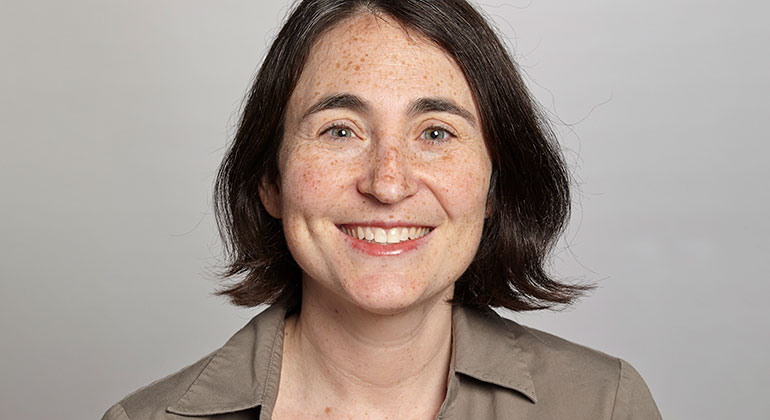
“What was most striking to us as we reviewed the data was the dramatic increase in homebound status among Blacks and Hispanics, and secondly, by comparison we noticed that Hispanics reported much greater rates of depression, anxiety, and dementia, while also lacking strong digital tools and connections. We are greatly concerned about all of our patients who are both homebound and poorly connected, particularly among Hispanic populations in light of their higher levels of poor health and self-reported anxiety and depression,” says corresponding author Claire Ankuda, MD, MPH, Assistant Professor, Geriatrics and Palliative Medicine, Icahn School of Medicine at Mount Sinai. Dr. Ankuda describes the key takeaways of the study in this short video.
“Much lower rates of technology use among Hispanics and Blacks likely heighten barriers to accessing digital supports, such as health care through telemedicine and signing up for vaccine registrations as well,” says Dr. Ankuda.
The study found the following data points for 2020:
- Those reporting “fair/poor health” included 65.3 percent of Hispanics, versus 43.6 percent of Blacks and 35.3 percent of whites.
- Those reporting depression included 43 percent of Hispanics, versus 24.5 percent of Blacks and 26.3 percent of whites.
- Those reporting that they did not have a computer included 76.9 percent of Hispanics, 57.9 percent of Blacks, and 41.6 percent of whites.
- Those reporting they “did not email/text” included 67.8 percent of Hispanics, 55.4 percent of Blacks, and 45.1 percent of whites.
The study, titled ”Association of the COVID-19 Pandemic with an Increased Prevalence of Homebound Older Adults in the United States, A Comparison of 2011-2019 and 2020,” is available online. The researchers note that “homebound” is characterized as rarely or never leaving the home. Homebound status can be associated with negative health outcomes including increased mortality, and is presumed to affect both physical and mental health.
“We’ve known that the COVID-19 pandemic has disproportionately impacted older adults from communities of color in terms of illness and death, but this study shows the large disparities in rates of being homebound. While this may represent wise adherence to social distancing recommendations and be reflective of the strong regional differences in communities impacted by COVID-19, it is important that we understand the impacts that being homebound might have for years to come,” says Dr. Ankuda.
In the last decade more Americans were homebound than living in nursing homes, a trend that could mean older Americans were getting their wishes—to stay at home later in life—but in a way that might warrant greater scrutiny to ensure health and well-being. According to Katherine Ornstein, PhD, MPH, senior author of the study and Director of Mount Sinai’s Institute for Care Innovations at Home, “Aging in place in the community is a goal for Americans and their families. But we must make sure that our health and long-term care systems can support the needs of homebound patients and their caregivers so they can be safe and comfortable at home. This includes access to home-based medical care and expanded resources for caregiving families.”
About the Mount Sinai Health System
Mount Sinai Health System is one of the nation’s leading integrated academic health systems and one of the largest in the New York metropolitan area. Its comprehensive system includes seven hospitals, more than 400 outpatient practices, over 600 research and clinical laboratories, the Icahn School of Medicine at Mount Sinai, the Graduate School of Biomedical Sciences, and the Mount Sinai Phillips School of Nursing. Together, the Health System comprises approximately 48,000 employees, more than 9,000 physicians, and 8,600 nurses.
As a leading learning health system, Mount Sinai combines clinical expertise with scientific discovery to improve patient care while training the next generation of health care and biomedical leaders. The Health System provides care across every stage of life, from prenatal care through geriatrics, while advancing personalized medicine through artificial intelligence, data science, and biomedical research.
Mount Sinai is consistently recognized among the nation’s leading academic health systems for patient care, research, and education. The Mount Sinai Hospital is ranked No. 1 in New York by Newsweek and No. 5 on the magazine’s World’s Best Hospitals list. The Icahn School of Medicine at Mount Sinai ranks No. 11 among U.S. medical schools and No. 1 among freestanding medical schools for National Institutes of Health funding, reflecting the strength of its scientific enterprise and leadership in biomedical research.