
FAMILIA Cardiovascular Chobani Health Program
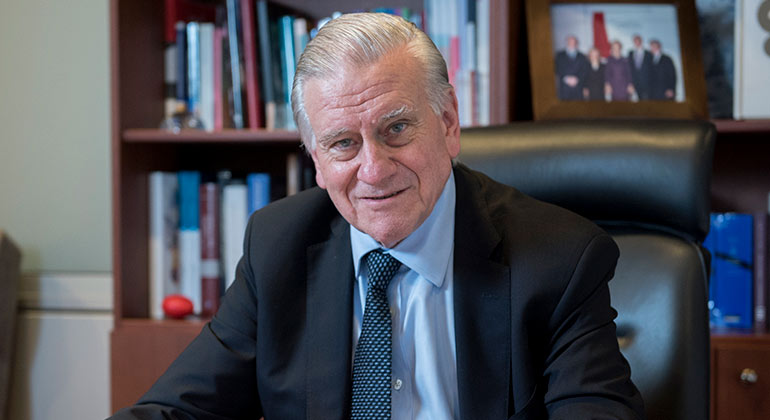
The FAMILIA Cardiovascular Chobani Health Program is a follow-up to the original FAMILIA Project, continuing Mount Sinai Fuster Heart Hospital’s commitment to helping families build healthier futures.
This research program focuses on adolescents, families, and long-term cardiovascular health. It builds on the success of the original FAMILIA Project, which brought heart-health education to young children and their caregivers in Harlem. Through this next phase, we are reconnecting with families and expanding the program to support adolescents as they grow, learn, and make more independent health choices.
Our goal is simple: to help young people and families understand how everyday habits can support lifelong heart health.
About the Program
The FAMILIA Cardiovascular Chobani Health Program is designed for adolescents ages 11 to 16, including youth who participated in the original FAMILIA Project as preschoolers and new adolescents from the community.
The program uses a family-centered and community-based approach to promote heart health through education, healthy routines, and ongoing support. It focuses on helping adolescents strengthen their health mindset, improve daily habits, and better understand how lifestyle choices affect the heart and body over time.
The FAMILIA Project research team will work with participating after-school and community-based sites to make the program convenient and accessible for families. Whenever possible, students will attend sessions at locations where they are already enrolled in after-school programming; for adolescents who are not able to attend in person, virtual classroom sessions may be offered as an alternative. This flexible model helps support attendance, comfort, and consistency while giving families options that fit their schedules.
The program also includes a parent/caregiver health assessment component for adults who participated in the original FAMILIA Project. This helps the research team better understand long-term cardiovascular health and how family health patterns may connect across generations.
Who Can Participate
The adolescent portion of the program includes:
- Adolescents ages 11 to 16 who participated in the original FAMILIA Project
- Adolescents ages 11 to 16 who did not participate in the original FAMILIA Project but attend participating after-school or community-based programs in Harlem
- Adolescents who are eligible to attend in-person after-school program sessions or virtual classroom sessions
- Adolescents whose parent or legal guardian provides consent
- Adolescents who agree to participate
The adult portion of the program includes:
- Parents or legal guardians of enrolled adolescents who participated in the original FAMILIA Project
- Adults who are able to provide consent for the one-time assessment
Participation is voluntary. Families may ask questions before joining and may withdraw from the study at any time.
Why This Program Matters
A landmark Mount Sinai study, published in the Journal of the American College of Cardiology, examined asymptomatic adults from a multi-ethnic, underserved New York City population and identified an important cardiovascular health concern.
The study found that young Black adults were twice as likely to have atherosclerosis, or plaque build-up in the arteries, as similarly situated young Hispanic adults. This disparity remained even after accounting for traditional risk factors, including diet, physical activity, smoking, blood pressure, cholesterol, and socioeconomic status. The study also found that nearly 1 in 10 adults showed early arterial plaque, even though they had a low predicted 10-year cardiovascular risk.
These findings show that cardiovascular risk can begin early, often before symptoms appear, and that standard risk calculators may not fully capture vulnerability in disadvantaged populations. Daily habits formed in childhood and adolescence can shape health for years to come.
The FAMILIA Cardiovascular Chobani Health Program is built around three main goals in response to this need:
Strengthen Healthy Mindset
Adolescents will learn how their daily choices can affect their health. The program encourages self-awareness, motivation, and confidence to make healthier decisions.
Support Healthy Behaviors
The program focuses on key lifestyle areas that matter for heart health.
Learn More About Long-Term Heart Health
The program studies cardiovascular health over time, including health assessments for adolescents and a one-time vascular health assessment for eligible parents/caregivers who were part of the original FAMILIA Project.
As a research initiative, the program is designed to better understand how health habits develop during adolescence, whether early-life health education has lasting effects, how family environments influence cardiovascular health, and how community-based interventions can improve long-term health outcomes.
By reconnecting with families from the original FAMILIA Project and welcoming new adolescents from the community, this program continues the mission of promoting heart health, reducing future risk, and supporting healthier families across generations.
The Intervention and Curriculum
Adolescents will take part in a structured four-month heart-health education program, held twice a week. The program is designed to be interactive, age-appropriate, and easy to understand, helping students connect health lessons to real life—food choices, movement, sleep, stress, emotions, screen habits, and peer influence.
Sessions may take place through participating after-school programs, community-based locations, or virtual classroom sessions when needed, allowing adolescents to stay engaged whether attending in person or remotely.
Why adolescence? Adolescence is a pivotal period during which lifelong habits, independence, and health-related decision-making become established. Supporting healthy behaviors during these years may influence cardiovascular health throughout adulthood.
The curriculum focuses on five main areas:
- Nutrition: Healthy eating, food literacy, balanced meals, and how food choices affect the body and heart
- Rest and Sleep: Why sleep matters for physical health, mental health, focus, mood, and energy
- Physical Activity: Encouraging movement through activities, challenges, and discussion
- Emotional Regulation: How emotions, stress, and decision-making affect health habits
- Addiction Prevention: Tobacco exposure, substance use prevention, and digital dependency, including healthy screen time habits
Study Activities & Assessments
For Adolescents
Participants may complete several study activities during the program, including:
- Health Mindset Questionnaires
- Health Behavior Questionnaires
- Daily Behavior Logs
- Height and Weight Measurements
- Blood Pressure Measurements
- Optional Bloodwork
- Follow-up Assessments After the Program
- A Two-Year Follow-up Assessment
The program uses secure tools, such as REDCap survey links, to collect information. Participants may complete some surveys in person or remotely, depending on the study schedule and family preference.
For Parents & Caregivers
Eligible parents or legal guardians who participated in the original FAMILIA Project may be invited to complete a one-time health assessment, which may include:
- A Health Questionnaire
- Physical Measurements
- Bloodwork
- Vascular Ultrasound Imaging
The vascular ultrasound is used to look at the health of the arteries, helping the research team better understand long-term cardiovascular health and how early prevention efforts may connect with family health over time. Parents and caregivers will not receive a new intervention as part of this phase—their participation is limited to a one-time assessment.
Chobani Participation
Through the program, participating adolescents and their families may receive deliveries of fresh, nutritious food boxes over the course of two years, sourced and assembled by Chobani, alongside partners, and delivered directly to homes as part of the community support component of the initiative.
The boxes will include fresh fruits and vegetables, sourced from farms, along with proteins, grains, and other wholesome ingredients designed to support heart-healthy meals at home. Each box will also include yogurt from Chobani as part of a balanced diet focused on real, nutritious food.
By delivering food directly to each participant's home, the program helps families apply what they learn about nutrition to meals in their own kitchens—building habits like cooking from scratch, choosing whole foods, and developing lifelong approaches to nutrition that support heart health.
Meet Our Team
The FAMILIA Cardiovascular Chobani Health Program is led by a multidisciplinary Mount Sinai team of physician-scientists, researchers, educators, coordinators, staff, and community partners.
Leadership Team:
Valentin Fuster, MD, PhD
Principal Investigator, FAMILIA Cardiovascular Chobani Health Program
President of Mount Sinai Fuster Heart Hospital
Physician-in-Chief, The Mount Sinai Hospital
Icahn School of Medicine at Mount Sinai
Alexa Schulman, BS
Project Manager II, FAMILIA Cardiovascular Chobani Health Program
The Mount Sinai Hospital
Icahn School of Medicine at Mount Sinai
Andrea Clarke, BS, Business Management
Administrative Manager, FAMILIA Cardiovascular Chobani Health Program
The Mount Sinai Hospital
Icahn School of Medicine at Mount Sinai
Moises Difo, BS, Public Relations
Project Coordinator I, FAMILIA Cardiovascular Chobani Health Program
The Mount Sinai Hospital
Icahn School of Medicine at Mount Sinai
Karen Arcos, MA, General Psychology
Clinic Research Assistant I, FAMILIA Cardiovascular Chobani Health Program
The Mount Sinai Hospital
Icahn School of Medicine at Mount Sinai
Emilia Bagiella, PhD
Co-Investigator, FAMILIA Cardiovascular Chobani Health Program
Professor, Population Health Science and Policy
The Mount Sinai Hospital
Icahn School of Medicine at Mount Sinai
Ravi Vazirani, MD, PhD
Co-Investigator, FAMILIA Cardiovascular Chobani Health Program
Postdoctoral Fellow
The Mount Sinai Hospital
Icahn School of Medicine at Mount Sinai
Carlos Peyra, MBA
Senior Director of Operations at Cardiology
The Mount Sinai Hospital
Icahn School of Medicine at Mount Sinai
Study Team Members/Contributors:
Maria Gloria Santos-Beneit, PhD
Ana Devesa Arbiol, MD, PhD
Ada Rodriguez, BS
Giselle Trabal, BS
Laura Espinosa, BS
Get Involved
Families, schools, after-school programs, community partners, and organizations can help support the FAMILIA Cardiovascular Chobani Health Program.
For more information, please contact:
FAMILIA Cardiovascular Chobani Health Program
Mount Sinai Fuster Heart Hospital
320 E 94th Street, Box 1030
5th Floor. Room: 500
New York, NY 10128
Email: FAMILIA@mssm.edu