
Protecting Your Heart Health After Preeclampsia
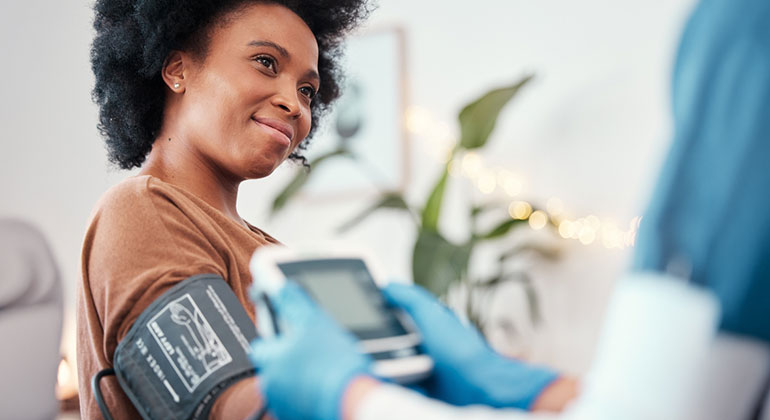
Preeclampsia is a serious health condition that causes high blood pressure during pregnancy or the first six weeks postpartum (after birth).
Preeclampsia is one of several health conditions known as "Hypertensive Disorders of Pregnancy" (HDP). Gestational Hypertension and HELLP syndrome are also part of this group of conditions. These conditions cause high blood pressure and can harm your heart, veins, and arteries.
Cardiovascular disease (conditions affecting the heart, veins, or arteries) is the leading cause of death for all women in the United States. Cardiovascular disease is responsible for one in four pregnancy-related deaths in the country.
How Might Preeclampsia Affect My Future Health?
Patients who are diagnosed with an HDP are at higher risk for cardiovascular disease.
Studies show that patients who have been diagnosed with preeclampsia, gestational hypertension, or HELLP syndrome are two to four times more likely to be diagnosed with cardiovascular disease.
Some of these cardiovascular conditions include: chronic hypertension (long-term high blood pressure), heart attack, stroke, and heart failure.
If a patient is diagnosed with an HDP before 34 weeks of pregnancy, or their symptoms are severe, they are at an even greater risk of cardiovascular disease in the future.
How Can I Protect My Health After Preeclampsia?
It’s important to follow up with your provider in the first week after you are discharged from the hospital. They will check your blood pressure and may prescribe or adjust your medications. Please ask a member of your care team to help schedule this follow up visit.
For some people, preeclampsia can get worse after delivery.
If you notice any of the following warning signs, please call 911, go to your nearest Emergency Department, or go to Labor and Delivery immediately (whichever option connects you with care most quickly):
- Blood pressure of 160/110 or higher
- Headache that does not go away with medication
- Changes to your vision, such as blurred vision or double vision
- Nausea or vomiting
- Stomach pain, especially in the upper right side of your abdomen
- Difficulty breathing
If you check your blood pressure and it is consistently between 150/100 – 159/109, please call your provider. They will schedule you to come in for an urgent visit.
Follow up with a cardiologist in the first three months postpartum.
Make an appointment with a cardiologist (or your primary care provider) to discuss your heart health in the first three months after giving birth.
Your visit with a cardiologist will include: a history of ongoing symptoms, a physical exam, and a check of your blood pressure, height, and weight.
Your doctor may order blood tests like:
- a fasting blood sugar test
- hemoglobin A1c
- lipid panel
Your doctor may also order an echocardiogram, which takes detailed images of your heart.
This visit is also an opportunity to review lifestyle habits that impact heart health, such as diet, smoking, and drinking alcohol.
An Important First Step
Preeclampsia is not your fault. No one knows exactly what causes it. Preeclampsia can occur in any pregnancy.
Hypertensive disorders of pregnancy like preeclampsia can have a long-lasting impact on your health after pregnancy. Knowing your risk and having a plan for your cardiovascular follow up care is critical.