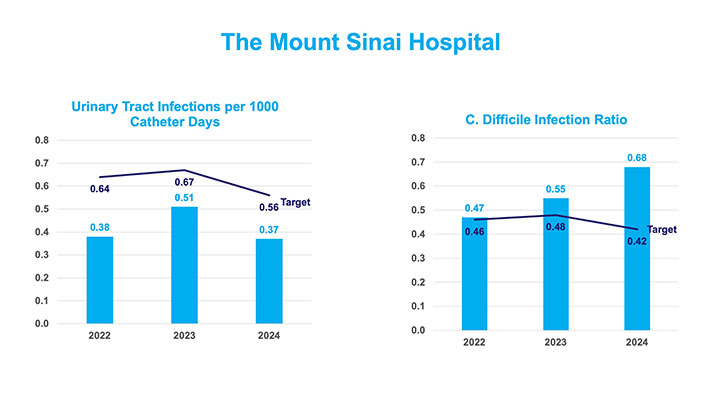
Founded in 1852, The Mount Sinai Hospital is a 1,134-bed, tertiary-care teaching facility acclaimed internationally for excellence in clinical care.
The Mount Sinai Hospital is listed on the U.S. News & World Report® “Best Hospitals Honor Roll” for 2026-27 and our institution is nationally ranked in 12 specialties including Cancer, Cardiology, Heart and Vascular Surgery, Gastroenterology & GI Surgery, Geriatrics, Neurology/Neurosurgery, Orthopedics, Psychiatry, Rehabilitation, and Urology. In the U.S. News & World Report® 2026-27 “Best Children’s Hospitals” rankings, Mount Sinai Kravis Children’s Hospital was listed among the country’s top children’s hospitals. Newsweek/Statista ranks The Mount Sinai Hospital on its World’s Best Hospitals 2026 list—No. 22 in the world, No. 7 nationally, No. 1 in New York State, and No. 1 in New York City.
The Mount Sinai Hospital consistently earns Magnet status for nursing care, and it is the only medical center in New York State to earn Disease-Specific Care Comprehensive Stroke Center Certification from The Joint Commission. The institution also received a Health Care Innovation Award from the Centers for Medicare and Medicaid Services to open the first geriatric emergency department in New York City, and its Mount Sinai Access service is one of the largest and most sophisticated inpatient transfer services in the city.

Auxiliary Board
The Mount Sinai Auxiliary Board is a subcommittee of the Boards of Trustees of the Mount Sinai Health System. Learn More
Billing and Patient Financial Services
For your convenience, our patient financial services is available to answer any questions you may have. You can also pay your bill here. Learn More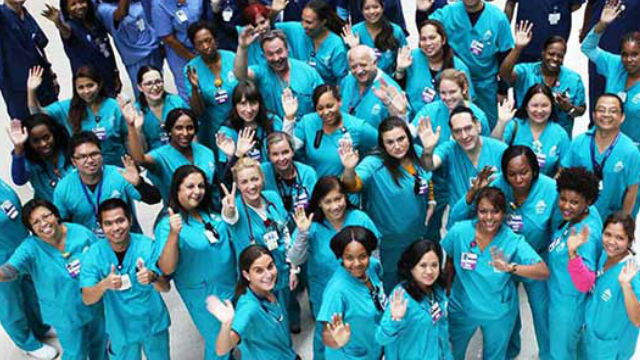
Careers
Learn more about careers at Mount Sinai Health System. Learn More
Clinical Ethics Consult Services
Clinical ethics consultation services are available for patients and providers to help resolve ethical questions that arise during care. Learn More
Community Outreach
We are dedicated to the health and well-being of the diverse communities we serve. Learn More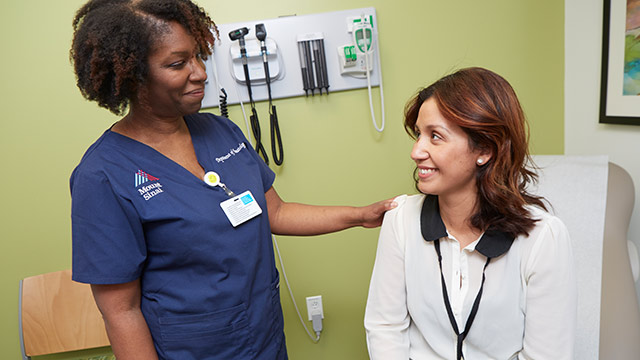
Contact Us
Phone numbers and addresses for The Mount Sinai Hospital. Learn More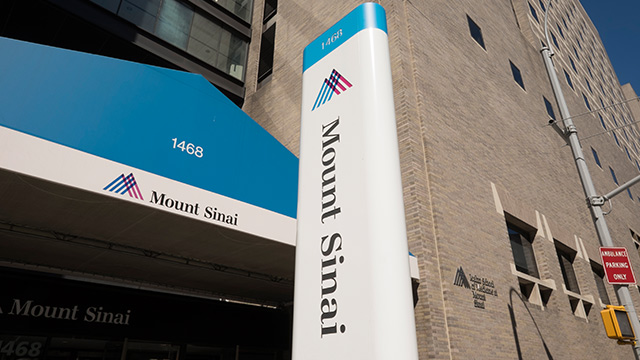
Compliance
Upholding our commitment to legal and ethical conduct. Learn More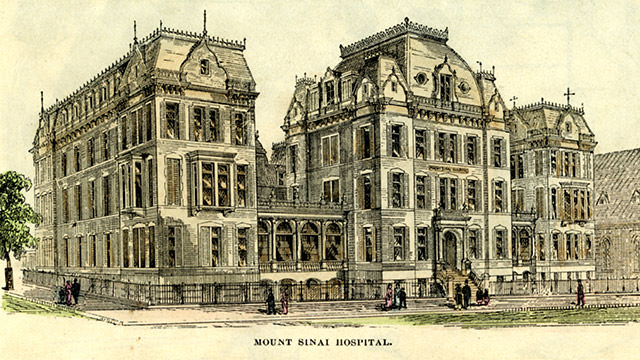
History
Providing exceptional clinical care since 1852. Learn More
Health Professionals
The Health Professionals page provides valuable resources to Mount Sinai staff and employees. Learn More
Inside Mount Sinai
Updates from inside Mount Sinai and around the Health System. Learn More
Insurance Information
The Mount Sinai Health System accepts many forms of insurance as payments. Find a list of our participating plans here. Insurance Information
Leadership
Our leaders are responsible for the growth and success of our institution. Learn More
Newsroom
News, updates, and information for members of the press. View All News
Make a Gift
Your contribution—of any size—enables us to deliver the most advanced care to our patients, develop outstanding educational programs, and power research initiatives that will benefit future generations. Learn More
Volunteer Opportunities
Lend your time and skills to The Mount Sinai Hospital. Learn More