
"Experimental PET Scan Could Show Brain Trauma in Living Patients” - Dr. Sam Gandy
The NFL predicts that at least 25 percent of retired players will develop dementia and at a much younger age than those who did not play. Former New York Jets player Dave Herman has been gradually developing problems with memory and thinking for the past 20 years. While he and his wife assumed Alzheimer’s disease was the culprit, a panel of experts at Mount Sinai Hospital couldn’t agree on a diagnosis – was he suffering from Alzheimer’s disease (AD) or chronic traumatic encephalopathy (CTE), a degenerative brain disease linked to repeated head injuries such as concussions? Abnormal tangles of a protein called tau help make the diagnosis and, until now, the only way to find them was at autopsy. Samuel Gandy, MD, associate director of the Mount Sinai Alzheimer’s Disease Research Center, performed an experimental PET scan that can detect those tangles in living patients; Mr. Herman’s scan was positive and the diagnosis was CTE. “We didn’t have a way to further diagnose the disease during life…until now,” says Dr. Gandy. “We can now establish the true prevalence and how common this disease really is.” Distinguishing Alzheimer’s disease from CTE is crucial because the underlying brain pathology is different and what may help treat one disease may not help the other. These findings were reported as a case study in the journal Translational Psychiatry on September 16. Learn more





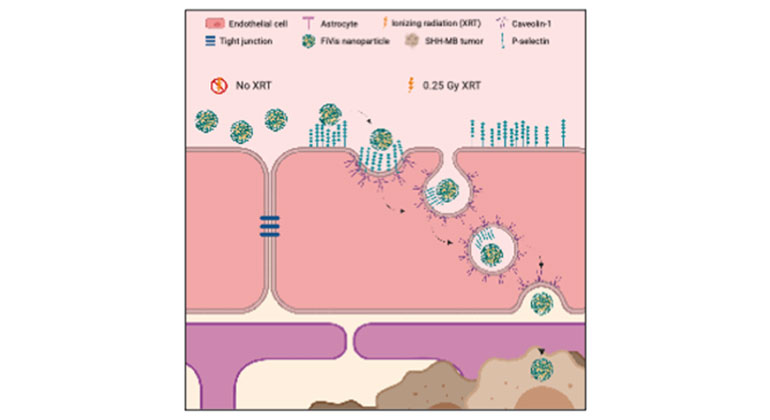
Scientists Develop Novel Approach to Enhance Drug Delivery for Brain Tumors in Children
Mar 02, 2023 View All Press Releases
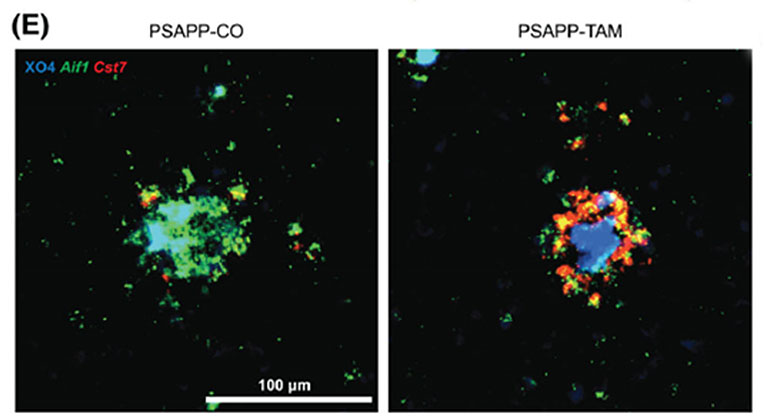
Researchers Identify the Role of an Alzheimer’s Disease Risk Gene in the Brain
Nov 30, 2022 View All Press Releases